If you’re searching for guidance on a trust bank account UK setup, you’ve probably already discovered how confusing the process can be. It sounds like a simple administrative task—until you actually try to do it. If you’ve ever sat on hold with a bank’s trust department, only to be told you’re missing yet another document, you already know what I mean.
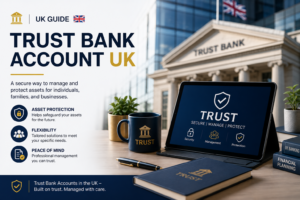
A trust bank account is the financial backbone of any trust arrangement. Without one, trustees can’t legally hold, manage, or distribute trust assets. Yet many people setting up a trust for the first time underestimate how particular UK banks are about paperwork, compliance checks, and trustee verification.
I’ve seen this play out the same way more times than I can count: a family sets up a trust after a parent passes away, assumes the bank account part will be “the easy bit,” and then spends six weeks chasing certified documents nobody warned them about. Sound familiar?
Here’s the thing: getting it right the first time saves weeks of back-and-forth. Getting it wrong means delayed access to funds, frustrated beneficiaries, and sometimes even legal complications. This guide walks you through everything you need to know—based on real patterns seen by trustees, solicitors, and financial advisors across the UK.
Why a Trust Bank Account Matters More Than You’d Think
A trust isn’t just a legal document sitting in a drawer—it’s an ongoing responsibility. Trustees must manage money, pay expenses, and eventually distribute assets to beneficiaries. None of that is possible without a proper bank account tied to the trust itself.
Many first-time trustees assume they can simply use a personal account to “hold things temporarily.” This is one of the most common—and riskiest—mistakes. Mixing personal and trust funds can create serious legal and tax complications, and in some cases, breaches trustee duties under UK law.
Takeaway: Treat the trust bank account as non-negotiable from day one, not an afterthought.

Mistake #1: Choosing the Wrong Type of Bank
Not every bank handles trust accounts the same way. High street banks are convenient but often have rigid, slow-moving compliance departments. Private banks, by contrast, tend to offer more personalised service but usually require higher minimum balances.
Before applying, it’s worth asking: does this bank actually specialise in trust accounts, or are they simply offering a modified business account? The difference matters more than people expect.
Takeaway: Research a bank’s trust account track record before applying, not after you’ve been rejected.
Mistake #2: Incomplete or Outdated Trust Deed
The trust deed is the single most important document in this process. Banks will scrutinise it closely, checking trustee names, powers, and beneficiary details. If the deed is outdated, poorly drafted, or missing signatures, expect delays.
That said, this is where working with a solicitor genuinely pays off. A properly reviewed deed reduces back-and-forth with the bank’s compliance team significantly.
Takeaway: Have your trust deed reviewed before submission—not after the bank flags an issue.
Mistake #3: Underestimating Identity Verification Requirements
UK banks are legally required to verify every trustee’s identity under anti-money laundering regulations. This isn’t a quick formality—it often involves certified ID documents, proof of address, and sometimes a face-to-face meeting.
If even one trustee delays submitting their documents, the entire account opening process stalls. In practice, this is one of the biggest bottlenecks trustees face.
Takeaway: Collect all trustee documents upfront, before starting the application.
Mistake #4: Ignoring Source of Funds Documentation
Banks want to know where the trust’s money originally came from. Was it inheritance? Property sale proceeds? A business transaction? Without clear documentation, banks may freeze the application indefinitely.
This step catches many people off guard, especially when trust funds come from multiple sources or span several years.
Takeaway: Prepare a clear paper trail showing the origin of trust assets before applying.
Mistake #5: Assuming All Trustees Have Equal Banking Authority
Trust deeds often specify how decisions should be made—jointly, by majority, or by a lead trustee. Banks need this clarified in writing before allowing transactions. Assuming “we’ll figure it out later” almost always causes friction down the line.
Takeaway: Clarify signing authority and decision-making rules with the bank from the very first meeting.
Mistake #6: Overlooking Ongoing Reporting Obligations
Opening the account is just the beginning. UK trusts often carry ongoing reporting duties, including HMRC’s Trust Registration Service requirements. Some trustees mistakenly believe that once the account is open, compliance work is finished.
In practice, banks may periodically request updated documentation, especially if trustees or beneficiaries change.
Takeaway: Set calendar reminders for periodic compliance reviews—don’t wait for the bank to chase you.

Mistake #7: Not Comparing Fees and Account Features
Trust accounts often come with maintenance fees, transaction charges, or minimum balance requirements that vary significantly between providers. Some trustees accept the first offer without comparing alternatives, only to find better terms elsewhere months later.
Takeaway: Request a full fee schedule in writing before committing to any bank.
What Documents Do You Need to Open a Trust Bank Account UK Banks Will Accept?
While requirements vary slightly bank to bank, most UK institutions ask for:
- A certified copy of the trust deed
- Proof of identity for all trustees
- Proof of address for all trustees
- Source of funds documentation
- Details of beneficiaries
- HMRC Trust Registration Service reference (where applicable)
Having these ready in advance can shave weeks off the process.
Choosing the Right Trust Bank Account UK Provider: High Street vs. Private Banks
High street banks are generally more accessible but slower and less flexible for complex trusts. Private banks, meanwhile, often provide dedicated trust specialists, faster turnaround, and more tailored account structures—though usually at a higher cost.
There’s no universally “best” choice here. It depends on the size of the trust, the complexity of its assets, and how hands-on the trustees want to be. A small family trust holding a single property doesn’t need the same setup as a large discretionary trust managing investments across multiple beneficiaries.
Ask yourself: how much hand-holding do you actually want from your bank? If the answer is “quite a lot,” a private bank’s dedicated trust specialist will likely save you more headaches than the fees cost.
Takeaway: Match the bank’s service level to the actual complexity of your trust, not just its reputation.
Frequently Asked Questions
1. What is a trust bank account in the UK? A trust bank account is a dedicated account opened by trustees to hold and manage assets belonging to a trust. It legally separates trust money from personal finances, ensuring transparency and proper administration under UK trust law.
2. Which banks offer trust bank accounts in the UK? Several high street and specialist banks provide trust accounts, including Barclays, Lloyds, HSBC, NatWest, and smaller private banks like Coutts. Availability and requirements vary, so it’s worth comparing a few before committing.
3. Do you need a solicitor to open a trust bank account UK? Not always, but it helps. Many banks request a certified copy of the trust deed, and a solicitor can ensure the document meets the bank’s compliance standards, reducing the chance of rejection or delay.
4. How long does it take to open a trust bank account? On average, it takes two to six weeks, depending on the bank and how quickly trustees provide identification and compliance documents. Private banks sometimes move faster due to dedicated relationship managers.
5. Can a trust have more than one bank account in the UK? Yes. Larger or more complex trusts often hold multiple accounts—one for daily transactions and another for investments or reserves—though this adds extra administrative responsibility for trustees.
6. Is a trust bank account the same as a normal business account? No. A trust account has different legal ownership structures and reporting requirements. Trustees, not the trust itself, are named account holders, acting on behalf of beneficiaries.
Final Thoughts on Opening a Trust Bank Account UK Trustees Can Rely On
Opening a trust bank account in the UK doesn’t have to be a frustrating experience—but it does require preparation. Most delays come down to the same recurring issues: incomplete documents, unclear trustee authority, and underestimating how thorough banks are about compliance.
If you approach the process with the right paperwork ready and a clear understanding of your trustees’ responsibilities, you’ll likely find the experience far smoother than the horror stories suggest. And once the account is set up correctly, managing the trust going forward becomes a far more straightforward task.