Finding the best business bank account for small business UK owners can actually use isn’t as simple as picking whichever bank has the flashiest app. Between monthly fees, hidden charges, and eligibility rules, it’s easy to sign up for the wrong account and only realize it six months later when the charges start piling up.
I get it — you didn’t start a business to become a banking expert. But a few wrong choices here can quietly cost you hundreds of pounds a year, or worse, leave you locked out of features you actually needed from day one.
That’s exactly what this guide is for. We’ll walk through what actually matters when comparing accounts, which providers tend to suit which type of business, and the mistakes that trip up even experienced business owners.
Why Choosing the Best Business Bank Account for Small Business UK Really Matters
A business bank account isn’t just a place to park money — it’s the foundation of how you manage cash flow, pay suppliers, and keep your books clean at tax time. Choose the wrong one, and you’ll be fighting against clunky software or unexpected fees at every turn.
Here’s the thing: many small business owners pick whichever bank they already use personally, purely out of convenience. That’s fine if it happens to suit your needs — but it’s worth pausing to check, rather than assuming.
Takeaway: Treat this decision as a business investment, not a formality — the right account saves both time and money.

What to Look for When Comparing Business Bank Accounts
Before you get distracted by slick marketing, focus on the details that actually affect your day-to-day running of the business:
- Monthly and transaction fees — some accounts charge per transfer, others offer a flat monthly rate
- Accounting software integrations — Xero, QuickBooks, and FreeAgent compatibility can save hours each month
- Overdraft and lending options — useful if you expect cash flow gaps
- Multi-currency support — essential if you deal with international clients or suppliers
- Customer support access — phone, chat, or in-branch, depending on your comfort level
Takeaway: Make a shortlist based on your actual usage patterns, not just brand recognition.
Top Digital-First Business Banks Worth Considering
Digital-only banks like Starling, Tide, Monzo Business, and Revolut Business have become popular among freelancers and small businesses for good reason. They typically offer fast onboarding, real-time notifications, and built-in expense tracking.
That said, they’re not universally perfect. If your business relies on regular cash deposits, a digital-only bank might mean extra trips to a Post Office counter or third-party service — something worth checking before committing.
Takeaway: Digital banks suit online-first, low-cash businesses best — always double-check cash handling options if you need them.
Traditional High Street Banks: Still Worth Considering?
Barclays, NatWest, HSBC, and Lloyds remain popular choices, particularly for businesses that value face-to-face support or need more complex lending products down the line. Their business banking apps have improved significantly, closing much of the gap with digital challengers.
The trade-off is usually speed. Account opening with traditional banks can take longer, especially if you’re a limited company needing additional verification.
Takeaway: If you anticipate needing loans, overdrafts, or in-person advice, a high street bank may still be the safer long-term choice.
Fees and Charges to Watch For
This is where many small businesses get caught out. Common charges include:
- Monthly account fees (sometimes waived for an introductory period)
- Per-transaction charges on payments in or out
- International transfer fees
- Cash deposit charges (often overlooked)
- Card payment processing fees, if using an integrated card reader
Reading the full fee schedule before signing up — not just the headline “free account” offer — will save you from nasty surprises later.
Takeaway: Always ask for the complete fee schedule in writing, not just the marketing summary.
Eligibility Requirements for Small Businesses
Most UK business bank accounts require proof of identity, proof of address, and evidence of your business structure — whether that’s a sole trader, partnership, or limited company. Newer businesses sometimes face stricter checks, particularly around expected turnover and the nature of the business activity.
If your business operates in a higher-risk sector — for example, cryptocurrency, high-value goods, or international trade — expect additional due diligence questions during onboarding.
Takeaway: Have your business documentation ready before applying to avoid delays during the verification stage.
Switching Business Bank Accounts: What You Need to Know
If your current account no longer fits your needs, switching isn’t as daunting as it sounds. The Current Account Switch Service handles most of the heavy lifting, moving direct debits, standing orders, and incoming payments automatically in many cases.
That said, it’s worth double-checking any linked services — like card payment terminals or accounting software connections — before you make the switch, since these sometimes need manual updating.
Takeaway: Plan your switch around a quieter period in your business calendar to avoid disruption.

Choosing the Best Business Bank Account for Small Business UK: Final Checklist
Before you commit, run through this quick checklist:
- Does it support your accounting software?
- Are the fees clearly listed and manageable for your transaction volume?
- Can you access cash deposit facilities if needed?
- Is customer support available in a way that suits you?
- Does it offer room to grow — overdrafts, loans, or multi-currency accounts?
Takeaway: The best account isn’t the most popular one — it’s the one that matches how your business actually
operates.
Frequently Asked Questions
1. What is the best business bank account for small business UK owners in general? There isn’t a single “best” account — it depends on your transaction volume, whether you need in-branch access, and how much you value app-based tools. Digital-first banks suit lean, online-first businesses, while high street banks suit those needing cash deposits or in-person support.
2. Do I legally need a business bank account in the UK? Sole traders can technically use a personal account, but limited companies are legally required to keep business finances separate. Even sole traders benefit hugely from a dedicated account for cleaner bookkeeping and tax reporting.
3. Are digital-only business banks safe to use? Yes, provided they’re FCA-authorised and your funds are protected under the Financial Services Compensation Scheme (FSCS) or safeguarded appropriately. Always check a provider’s authorisation status before signing up.
4. How much does a small business bank account cost in the UK? Costs vary widely — some accounts are free for the first year with a monthly fee afterward, while others charge from the start but include extras like accounting integrations or multiple currency accounts.
5. Can I switch business bank accounts without disrupting my business? Yes. The UK’s Current Account Switch Service can move most business accounts within seven working days, transferring direct debits and standing orders automatically in many cases.
6. What documents do I need to open a business bank account UK? Typically, you’ll need proof of identity, proof of address, your company registration number (if applicable), and details of your business activity. Some banks also ask for an estimate of expected turnover.
Final Thoughts
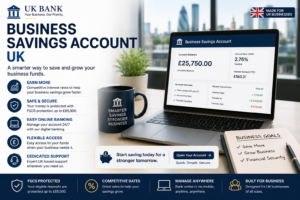
There’s no single best business bank account for small business UK owners — only the one that fits your specific way of working. Digital-first banks suit lean, tech-comfortable businesses, while traditional banks still hold appeal for those wanting in-person support or future lending options.
Take the time to compare fees, features, and eligibility requirements properly before committing. A little research now can save you real money — and real headaches — further down the line.