Personal bank online services have become the standard way most people in the UK manage their day-to-day finances, from checking balances to transferring money and paying bills. If you’re new to digital banking or simply want a clearer understanding of how it all works, this guide breaks it down in simple, easy-to-follow terms.
Whether you’re opening your first account or switching from traditional in-branch banking, understanding how these services work can help you manage your money more confidently and securely.
What Is Personal Bank Online Banking?
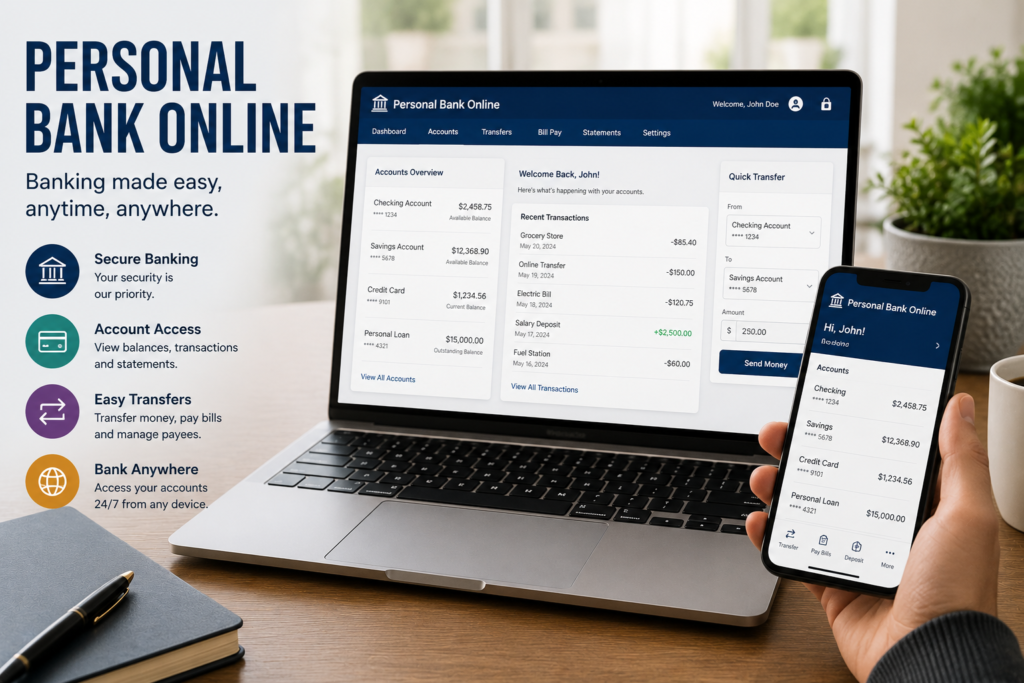
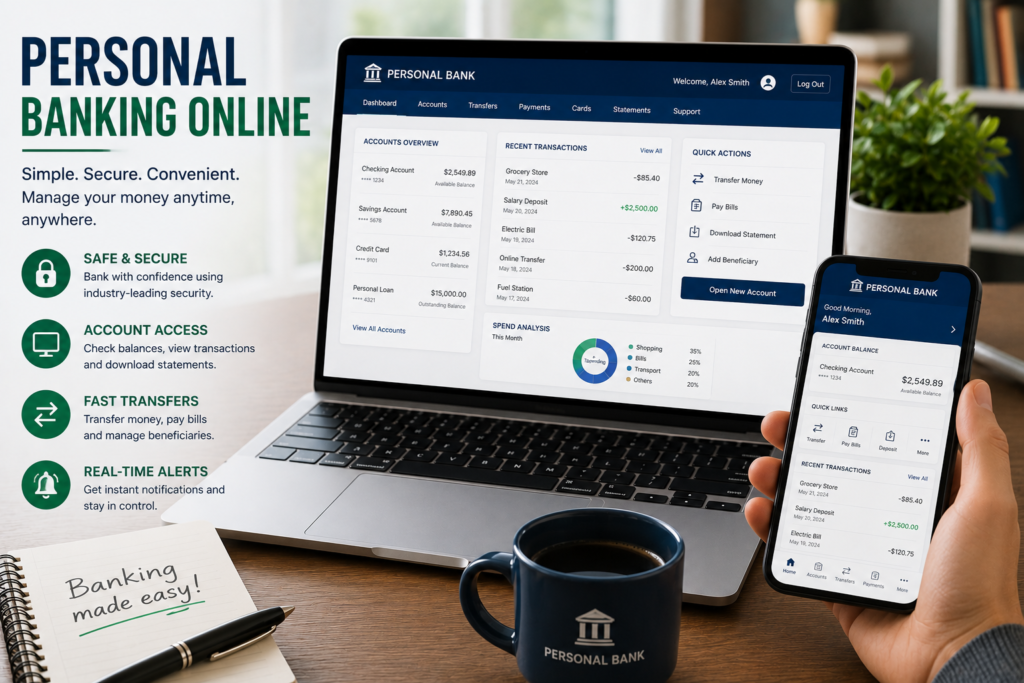
Personal bank online banking allows individuals to manage their finances through a bank’s website or mobile app, without needing to visit a physical branch. This includes checking balances, viewing transaction history, transferring funds, setting up direct debits, and even applying for new products, all from a computer or smartphone.
Key Features to Expect From Personal Bank Online Services
1. Account Overview and Balances
Most banking apps let you view all your accounts in one place, giving you an instant snapshot of your current balance and recent transactions.
2. Money Transfers and Payments
Sending money to friends, family, or paying bills is usually quick and straightforward, often completed within seconds using services like Faster Payments in the UK.
3. Statements and Transaction History
Digital statements are typically available to view or download instantly, making it easy to track spending and keep records for budgeting or tax purposes.
4. Security Alerts and Notifications
Many providers send instant notifications for transactions, logins, or unusual activity, helping you spot potential fraud quickly.
Benefits of Managing Your Finances With Personal Bank Online Tools
1. Convenience
You can check your balance, move money, or pay a bill at any time of day, without needing to visit a branch or wait for opening hours.
2. Faster Transactions
Transfers between accounts, even with different banks, are often completed within minutes rather than days, thanks to modern payment systems.
3. Better Financial Oversight
Instant access to spending history and categorised transactions can make it easier to budget and track where your money goes each month.
4. Reduced Paperwork
Digital statements and confirmations reduce the need for paper records, which can be more convenient and better for the environment.
How to Get Started
- Choose a Bank or Provider – Compare traditional banks and newer digital-only providers to find one that suits your needs.
- Open an Account – Most providers allow you to apply directly through their website or app, often with quick identity verification.
- Download the App or Register on the Website – Set up secure login details, usually including a password and additional security steps.
- Set Up Additional Security – Enable two-factor authentication or biometric login, such as fingerprint or facial recognition, where available.
Staying Safe While Using Personal Bank Online Services
Security should always be a top priority when managing money this way. Here are a few important habits to follow:
- Never share your login details, PIN, or one-time passcodes with anyone, including people claiming to be from your bank.
- Always access your account through the official app or website, rather than clicking links in emails or text messages.
- Enable two-factor authentication wherever it’s offered for an extra layer of protection.
- Regularly review your transaction history to spot anything unfamiliar as early as possible.
For official guidance on protecting yourself from banking fraud, the Action Fraud website, the UK’s national fraud reporting centre, offers up-to-date advice and resources.
Traditional Banks vs. Digital-Only Providers
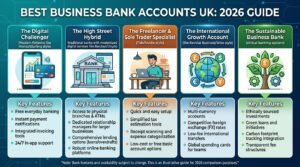
UK consumers now have more choice than ever between traditional high street banks offering online services and newer digital-only providers built specifically for mobile use. According to general guidance from MoneyHelper, it’s worth comparing account fees, customer support options, and protection schemes like the Financial Services Compensation Scheme before choosing a provider.
Many people also choose to hold accounts with more than one provider, using a mix of traditional and digital-only banking to suit different needs, such as everyday spending versus savings.
Is Digital Banking Right for Everyone?
While convenient, personal bank online banking isn’t necessarily the right fit for everyone. Some people prefer face-to-face support, particularly for complex queries or if they’re less comfortable with technology. Many banks still offer telephone and in-branch support alongside their digital services, allowing customers to choose the option that suits them best.
If you’re unsure how to structure your overall banking and savings setup, speaking with a licensed financial advisor can help, especially if it forms part of a broader financial planning strategy.
Frequently Asked Questions
Q1: Is personal bank online banking safe?
Yes, when used correctly with strong passwords, two-factor authentication, and awareness of common scams, digital banking is generally very secure.
Q2: Do I need a smartphone to use these services?
Not necessarily. Many banks also offer full functionality through a web browser, though mobile apps are often more convenient.
Q3: Can I open an account entirely online?
Yes, most UK banks and digital-only providers allow you to open an account fully online, often with quick identity checks.
Q4: What happens if I notice unusual activity on my account?
Contact your bank immediately through their official app, website, or phone number to report suspicious transactions.
Q5: Are digital-only banks protected the same way as traditional banks?
Most UK-regulated providers, including digital-only banks, are covered by the Financial Services Compensation Scheme, though it’s worth checking each provider’s specific protections.
Final Thoughts
Personal bank online banking has transformed the way people in the UK manage their money, offering convenience, speed, and better financial oversight compared to traditional in-branch banking alone. As with any digital service, staying alert to security best practices is essential to keeping your money and personal information safe.
Whether you stick with a traditional bank’s online services or explore newer digital-only providers, taking the time to compare features, fees, and protections will help you choose the right fit for your financial needs.